New York City confronts a perfect storm of challenges as extreme winter weather paralyzes transportation networks, financial markets experience heightened volatility amid healthcare sector turmoil, and the artificial intelligence revolution reshapes the economic landscape of America’s financial capital. From the frozen Hudson River to Wall Street trading floors, the convergence of natural forces and technological transformation is testing the resilience of the world’s most dynamic metropolis.
Arctic Blast Grips the City
An unprecedented winter storm has transformed New York City into a frozen landscape, with the Hudson River partially icing over near the George Washington Bridge for the first time in years. The dramatic scenes of ice floes drifting past Manhattan’s western shore serve as a stark reminder of nature’s power to disrupt even the most technologically advanced urban environment.
The United States Coast Guard has deployed ice breakers to the Hudson River and surrounding waterways, a rare operational necessity that underscores the severity of the cold snap affecting the tri-state area. These specialized vessels work around the clock to maintain navigable channels for commercial shipping and emergency response, preventing ice dams that could threaten riverside infrastructure and communities.
The winter storm has caused hundreds of flight cancellations at New York City’s three major airports—John F. Kennedy International, LaGuardia, and Newark Liberty International—stranding thousands of travelers and disrupting global air traffic patterns. Airlines have implemented de-icing protocols and reduced flight schedules, but the combination of heavy snow, freezing temperatures, and limited visibility continues to challenge aviation operations.
Ground transportation has fared little better, with subway delays, bus route suspensions, and treacherous road conditions creating commuter nightmares across the five boroughs. The Metropolitan Transportation Authority has deployed additional crews and equipment to maintain service, but the relentless cold and snow accumulation strain even the city’s robust transit infrastructure.
For New York’s homeless population, the deep freeze represents a life-threatening emergency, prompting the city to open additional shelter beds and conduct outreach to bring vulnerable individuals indoors. Social service agencies report overwhelming demand for emergency housing, warm clothing, and hot meals, highlighting the human cost of extreme weather events in urban environments.
Financial Markets Navigate Turbulence
While winter storms batter the physical city, financial markets are experiencing their own form of turbulence. Major indices showed mixed performance on Thursday, with the NASDAQ gaining 0.72% to close at 23,685.12, while the S&P 500 edged up 0.13% to 6,969.01, and the Dow Jones Industrial Average rose a modest 0.11% to 49,071.56. However, these seemingly calm headline numbers mask significant volatility beneath the surface.
The VIX volatility index, often called Wall Street’s “fear gauge,” jumped 5.43% to 15.84, signaling increased investor anxiety about near-term market direction and economic uncertainty. Traders attribute the heightened volatility to multiple factors, including uncertainty surrounding President Trump’s nominee to lead the Federal Reserve, ongoing government shutdown negotiations, and concerns about corporate earnings in an environment of elevated interest rates.
The healthcare sector experienced a bloodbath on Thursday, with major health insurance companies suffering devastating losses that erased billions in market capitalization. Humana led the decline with a catastrophic 21.1% drop, followed by UnitedHealth Group down 19.6%, Elevance Health falling 14.3%, and CVS Health posting significant losses. The sector-wide selloff reflects growing investor concerns about regulatory pressures, Medicare Advantage reimbursement rates, and the sustainability of current business models.
Analysts point to a perfect storm of negative factors affecting health insurers, including potential policy changes from the Trump administration, disappointing enrollment numbers, and rising medical costs that threaten profit margins. The magnitude of the losses suggests that investors are fundamentally reassessing the valuation and growth prospects of an industry that has been a market darling for much of the past decade.
In contrast to healthcare’s troubles, technology stocks showed resilience despite concerns about massive capital expenditures on artificial intelligence infrastructure. While some tech names experienced modest declines, the sector as a whole held up relatively well, reflecting investor confidence that AI investments will eventually generate substantial returns.
AI Investment Boom Reshapes Economic Landscape
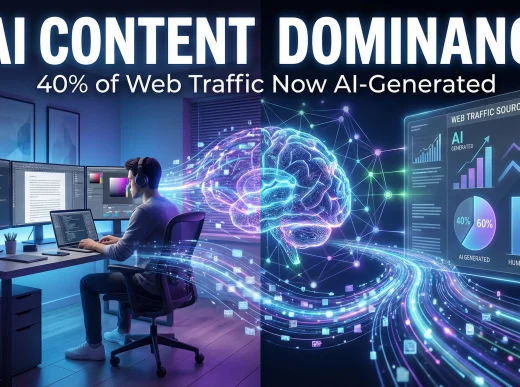
The artificial intelligence revolution continues to reshape New York’s economic landscape, with investment firm Blackstone declaring that AI development represents the single biggest driver of economic growth in the United States today. This assessment, coming from one of the world’s largest alternative asset managers, carries significant weight and reflects the transformative impact of AI technologies across virtually every sector of the economy.
Major technology companies are committing unprecedented resources to AI development, with spending levels that would have been unimaginable just a few years ago. Meta Platforms announced plans to spend $135 billion on AI infrastructure and development in 2026, a staggering figure that represents more than the entire GDP of many nations. This level of investment signals that tech giants view AI as an existential imperative rather than merely another product category.
The AI boom is creating ripple effects throughout New York’s economy, from real estate demand for data centers to employment opportunities for AI specialists and supporting professionals. Financial services firms are racing to integrate AI capabilities into trading algorithms, risk management systems, and customer service operations, while media companies explore AI applications in content creation and distribution.
However, the AI transformation also raises concerns about workforce displacement, with some analysts warning that automation could eliminate millions of jobs even as it creates new opportunities in other areas. New York’s service-sector economy, heavily dependent on knowledge workers and professional services, faces particular uncertainty about how AI will reshape employment patterns and skill requirements.
An AI education platform recently announced plans to open its new headquarters in the Financial District, bringing high-paying jobs and signaling confidence in New York’s ability to compete with Silicon Valley as an AI innovation hub. The move reflects a broader trend of technology companies establishing significant presences in New York to access the city’s deep talent pools in finance, media, and professional services.
Business and Real Estate Developments
Beyond the headlines of weather disruptions and market volatility, New York’s business community continues to evolve and adapt to changing economic conditions. Manhattan Associates, a leading supply chain technology company, reported record fourth-quarter cloud bookings, demonstrating strong demand for digital transformation solutions even in an uncertain economic environment.
The company’s success reflects broader trends in enterprise software, where cloud-based solutions continue to gain market share from traditional on-premises systems. For New York’s technology sector, such results provide evidence that the city can compete effectively in software and services even if it lacks Silicon Valley’s concentration of hardware and semiconductor companies.
Real estate markets are showing signs of stabilization after years of pandemic-related disruption, with office occupancy rates gradually improving and residential markets finding new equilibrium points. However, the sector faces ongoing challenges from remote work trends, rising interest rates, and uncertainty about long-term space requirements for businesses that have embraced hybrid work models.
The Financial District’s transformation continues, with former office buildings converting to residential use and new amenities attracting residents to a neighborhood once deserted after business hours. This urban evolution represents both opportunity and challenge, as the city adapts its infrastructure and services to accommodate changing patterns of work and residence.
Infrastructure and Urban Resilience
The current winter storm has highlighted both the strengths and vulnerabilities of New York’s infrastructure systems. While the subway system continues operating despite challenging conditions, the frequency of delays and service disruptions raises questions about the long-term sustainability of aging infrastructure under increasing climate stress.
Climate scientists warn that extreme weather events—both winter storms and summer heat waves—will become more frequent and severe in coming decades, requiring substantial investments in infrastructure resilience and adaptation. New York City has begun implementing climate adaptation strategies, including coastal protection measures, green infrastructure for stormwater management, and upgrades to critical systems, but the scale of investment required far exceeds current funding levels.
The Coast Guard’s ice-breaking operations on the Hudson River, while necessary for immediate navigation safety, also serve as a reminder of the complex interplay between natural systems and urban infrastructure. Maintaining navigable waterways during extreme weather requires specialized equipment, trained personnel, and coordination among multiple agencies—capabilities that cannot be improvised in the moment of crisis.
Energy infrastructure faces particular stress during extreme cold, with heating demand surging and natural gas systems operating at maximum capacity. While New York has avoided the rolling blackouts that have plagued other regions during extreme weather, the margin for error continues to shrink as climate change drives more frequent temperature extremes.
Looking Ahead: Challenges and Opportunities
As New York City navigates the immediate challenges of winter weather and market volatility, longer-term questions loom about the city’s economic trajectory and competitive position. The AI revolution presents both tremendous opportunity and significant risk, with the potential to create new industries and high-paying jobs while also disrupting traditional employment patterns and exacerbating inequality.
The healthcare sector’s troubles reflect broader uncertainties about regulatory policy, reimbursement structures, and the sustainability of current business models—uncertainties that affect not just investors but millions of Americans who depend on these companies for health insurance coverage. New York, as home to major health insurers and countless healthcare providers, has a substantial stake in how these issues resolve.
Financial markets will continue to grapple with volatility as investors assess the implications of policy changes, technological disruption, and global economic conditions. New York’s position as the world’s financial capital ensures that these market dynamics will have outsized impacts on the local economy, from Wall Street bonuses to tax revenues that fund city services.
The convergence of extreme weather, technological transformation, and economic uncertainty creates a complex environment for city leaders, business executives, and residents alike. Success will require not just weathering immediate storms—both literal and metaphorical—but building the resilience and adaptability necessary to thrive in an era of accelerating change. For New York City, a metropolis that has repeatedly reinvented itself throughout history, this latest chapter presents familiar challenges in dramatically new forms.