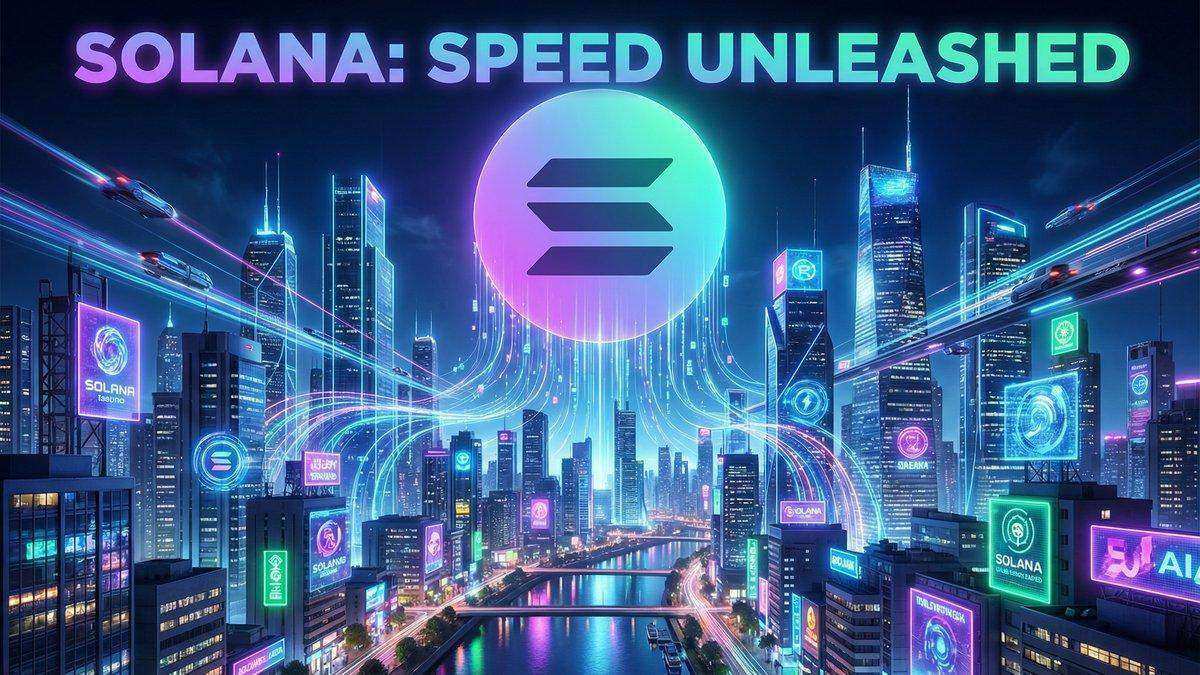
Solana is experiencing a dramatic resurgence in early 2026, with the high-speed blockchain’s native token SOL surging over 180% since November 2025. The rally has reignited speculation about a potential “Solana Summer 2.0″—a reference to the explosive growth the network experienced in 2021 before the FTX collapse temporarily derailed its momentum.
The Technical Renaissance
Solana’s comeback is built on significant technical improvements implemented over the past year. The network has achieved remarkable stability, with zero major outages since March 2025—a stark contrast to the frequent downtime that plagued the blockchain in 2022 and 2023.
The Firedancer validator client, developed by Jump Crypto, has been a game-changer for network performance. According to Solana Labs, the new client has increased transaction throughput to over 65,000 transactions per second while reducing latency and improving overall network resilience.
“Solana has evolved from a promising but unstable network into a battle-tested infrastructure capable of supporting the next generation of decentralized applications.”
The Ecosystem Explosion
Beyond technical improvements, Solana’s ecosystem has experienced explosive growth across multiple sectors. Decentralized finance (DeFi) protocols on Solana now hold over $4.2 billion in total value locked (TVL), according to DefiLlama, representing a 340% increase from January 2025.
Key projects driving this growth include Jupiter (the leading Solana DEX aggregator), Marinade Finance (liquid staking), and Kamino Finance (lending and leveraged yield farming). These protocols have attracted billions in capital by offering superior user experiences and significantly lower transaction costs compared to Ethereum-based alternatives.
The NFT and Gaming Renaissance
Solana’s NFT ecosystem has also experienced a remarkable revival. Magic Eden, the leading Solana NFT marketplace, reported record trading volumes in December 2025, surpassing $800 million in monthly volume—levels not seen since the peak of the 2021 NFT boom.
The gaming sector has emerged as a particular strength for Solana. The blockchain’s high throughput and low transaction costs make it ideal for gaming applications that require frequent on-chain interactions. Star Atlas, a space-themed metaverse game, recently launched its alpha version to overwhelming demand, with over 500,000 registered players.
“Solana’s speed and cost advantages aren’t just theoretical—they’re enabling entirely new categories of applications that simply aren’t viable on other blockchains.”
Institutional Adoption Accelerates
Perhaps most significantly, institutional adoption of Solana has accelerated dramatically. Visa announced in December 2025 that it would begin settling stablecoin transactions on Solana, citing the network’s speed, reliability, and cost-effectiveness. This endorsement from a major payment processor has lent significant credibility to Solana’s enterprise-readiness.
Additionally, several major financial institutions have begun exploring Solana for tokenized securities and real-world asset (RWA) applications. Franklin Templeton launched a tokenized money market fund on Solana in November 2025, marking a significant milestone for institutional DeFi adoption.
The Competitive Landscape
Solana’s resurgence comes as competition in the Layer 1 blockchain space intensifies. Ethereum continues to dominate in terms of total value locked and developer mindshare, while newer chains like Sui and Aptos are attracting attention with their own high-performance architectures.
However, Solana’s combination of proven performance, a mature ecosystem, and growing institutional support has positioned it as a leading contender in the race to become the blockchain infrastructure for mainstream applications. The network’s ability to handle high transaction volumes without sacrificing decentralization or security has proven particularly appealing to developers building consumer-facing applications.
Challenges and Risks
Despite the positive momentum, Solana faces ongoing challenges. The network’s relatively high hardware requirements for validators have raised concerns about centralization, with critics arguing that only well-funded entities can afford to run competitive validator nodes.
Additionally, Solana’s association with the collapsed FTX exchange continues to cast a shadow over the project. While the network itself was not implicated in FTX’s fraud, the exchange’s founder Sam Bankman-Fried was a major Solana investor and promoter, creating lingering reputational concerns.
“Solana has successfully moved beyond its FTX association, but the network must continue proving its technical reliability and decentralization credentials to achieve long-term success.”
The Road Ahead
As 2026 unfolds, Solana appears poised for continued growth. The upcoming launch of several major applications, including decentralized social media platforms and AI-powered trading bots, could drive further adoption and network activity.
The question now is whether Solana can sustain its momentum and avoid the boom-bust cycles that have characterized previous “Solana Summers.” With improved technical infrastructure, growing institutional support, and a maturing ecosystem, the blockchain may finally be ready to deliver on its promise of bringing blockchain technology to mainstream users.
For more cryptocurrency analysis and blockchain technology coverage, explore our Crypto Corridor section.