Davos in the Age of Disruption
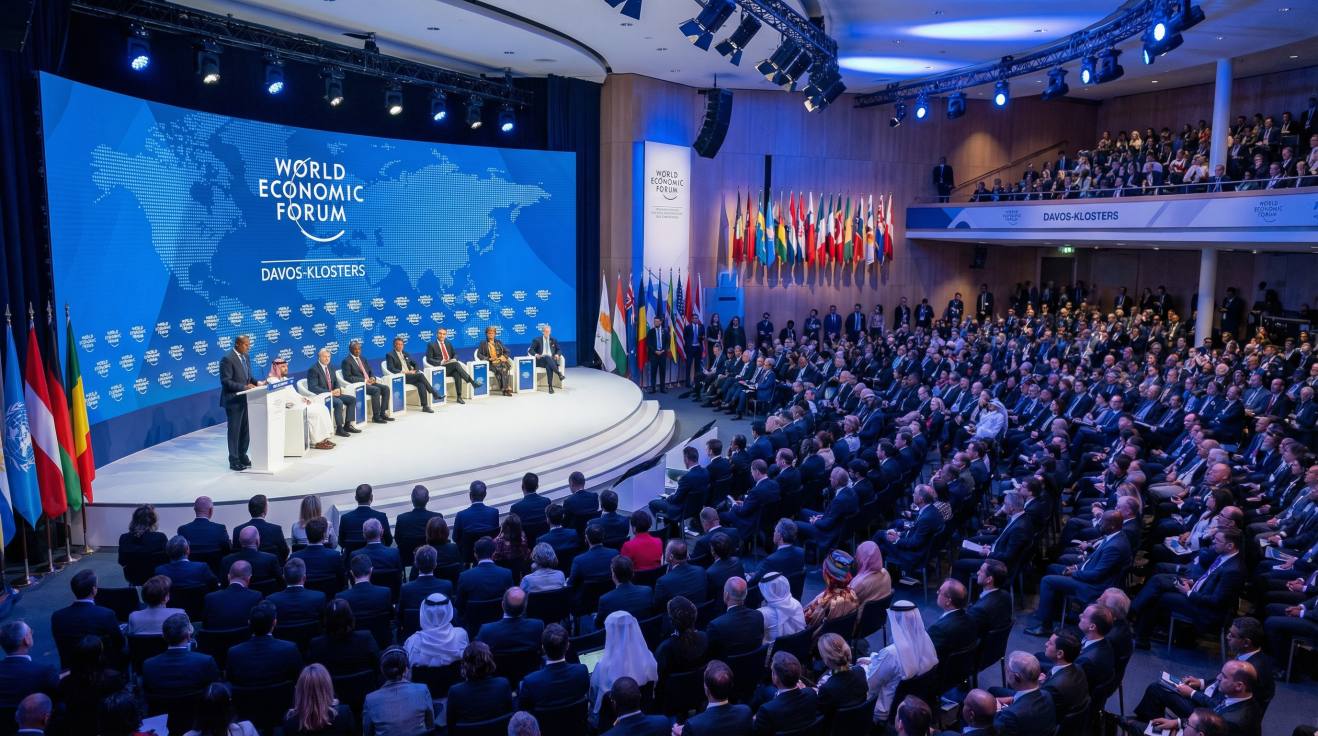
The World Economic Forum’s 56th Annual Meeting in Davos, Switzerland convened in January 2026 against a backdrop of unprecedented geopolitical turbulence, technological transformation, and fundamental questions about the future of global cooperation. North America was a focal point of the World Economic Forum’s 56th Annual Meeting in Davos with US President Donald Trump and Canadian Prime Minister Mark Carney addressing an international audience grappling with the implications of American unilateralism, the restructuring of global trade, and the accelerating pace of artificial intelligence development that promises to reshape economies and societies worldwide.
The annual gathering of political leaders, business executives, academics, and civil society representatives has long served as a barometer of elite opinion and a forum for addressing shared challenges through dialogue and cooperation. However, the 2026 meeting revealed deep fractures in the consensus that has underpinned globalization for decades, with fundamental disagreements emerging about trade policy, the role of international institutions, the balance between national sovereignty and multilateral cooperation, and the distribution of costs and benefits from technological change.
This week exposed the tension between systemic fault lines and geopolitical noise, prompting urgent questions about stability and global trends, according to analysis from forum organizers and participants who noted that discussions were dominated by immediate crises and political conflicts rather than the longer-term strategic challenges that typically receive more attention at Davos. The forum’s traditional focus on economic cooperation and shared prosperity competed for attention with more immediate concerns about military conflicts, territorial disputes, and the breakdown of alliance relationships.
The 2026 meeting occurred at a moment when the liberal international order constructed after World War II faces its most serious challenges since the Cold War’s end. The United States under Trump has explicitly rejected many of the multilateral commitments and institutional arrangements that have structured global politics for decades, while China offers an alternative model of state-directed development and authoritarian governance that appeals to some nations frustrated with Western prescriptions. Russia’s continued aggression and willingness to use military force to revise borders has undermined the principle that territorial changes must occur through peaceful negotiation rather than conquest.
Trade Transformation and the New Economic Order
Trade policy emerged as one of the dominant themes at Davos 2026, with participants examining how geopolitical tensions, technological change, and shifting political coalitions are fundamentally restructuring global commerce. Trade is changing and Davos 2026 made it clear, with expert participants examining everything from how geopolitical complexity is accelerating trade deals to the technology trade paradox, according to summaries of key sessions that explored the multiple dimensions of transformation in international economic relations.
The traditional model of globalization based on complex supply chains, minimal trade barriers, and international institutions like the World Trade Organization to manage disputes has given way to a more fragmented system characterized by regional blocs, bilateral agreements, and the weaponization of trade policy to achieve geopolitical objectives. The Trump administration’s use of tariffs as leverage in negotiations with allies and adversaries alike has accelerated this shift, with other nations responding by seeking alternative trading partners and reducing dependence on American markets.
Geopolitical complexity is indeed accelerating some trade deals, as nations seek to secure reliable access to critical goods and resources in an uncertain environment. The forum featured announcements of new bilateral and regional trade agreements designed to reduce vulnerabilities to supply chain disruptions and political coercion. However, these agreements often explicitly exclude certain nations or sectors for security reasons, creating a more balkanized global economy where political considerations trump pure economic efficiency.
The technology trade paradox—the simultaneous desire for access to advanced technologies and fear of dependence on potentially adversarial suppliers—has become particularly acute in areas like semiconductors, artificial intelligence, telecommunications equipment, and rare earth minerals. Nations are investing heavily in domestic production capabilities even when such investments are economically inefficient compared to importing from established suppliers, reflecting the priority placed on strategic autonomy over short-term cost considerations.
Developing nations expressed concern at Davos that the new trade environment disadvantages them by forcing choices between competing economic blocs and limiting their ability to pursue the export-led growth strategies that lifted previous generations out of poverty. The fragmentation of global trade threatens to slow economic development in the world’s poorest regions while concentrating benefits among nations with sufficient scale and resources to maintain multiple trading relationships or achieve self-sufficiency in critical sectors.
Geopolitics, Conflict, and the Erosion of Stability
Geopolitical tensions dominated discussions throughout the Davos forum, with participants expressing alarm about the proliferation of conflicts, the breakdown of diplomatic norms, and the increasing willingness of major powers to use military force to achieve political objectives. From sticky inflation to geopolitics, these were the topics top of mind for world leaders at Davos 2026, according to analysis from JPMorgan and other financial institutions whose representatives participated in key sessions examining the intersection of economics and security.
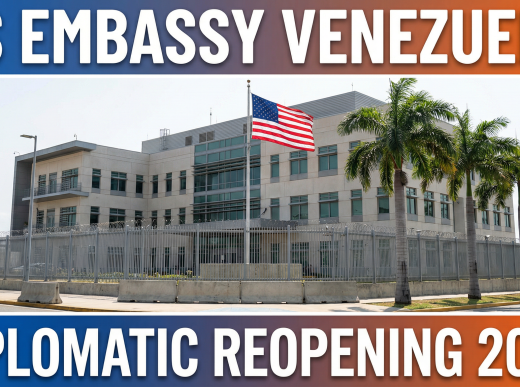
The US military intervention in Venezuela, escalating confrontation with Iran, and pressure campaign for Greenland acquisition provided immediate examples of how traditional constraints on great power behavior have weakened. Trump’s Davos address explicitly defended these actions as necessary assertions of American interests, while critics warned that such unilateralism sets dangerous precedents that could encourage similar behavior by other nations with the power to act without international approval.
The Russia-Ukraine conflict, now in its fourth year, continued to cast a shadow over discussions about European security and the future of the post-Cold War order. The war’s persistence despite massive Western support for Ukraine has raised questions about whether the conflict can be resolved through military means or whether some form of negotiated settlement will ultimately be necessary. Russian officials used the Davos forum to argue that Western support for Ukraine represents interference in Russia’s sphere of influence, while Ukrainian representatives emphasized that capitulation to aggression would encourage further territorial revisionism.
China’s increasing assertiveness in the Indo-Pacific region, including military exercises near Taiwan and expanded claims in the South China Sea, generated concern among Asian participants who fear that the region could become the next major flashpoint for great power conflict. The Trump administration’s confrontational approach to China, including tariffs, technology restrictions, and explicit support for Taiwan, has raised tensions while failing to produce the concessions Washington seeks on trade, intellectual property, and regional security issues.
Middle East instability remained a persistent concern, with the Iran crisis representing only the most immediate of multiple overlapping conflicts and tensions that threaten to ignite broader regional wars. The Israeli-Palestinian conflict, competition between Iran and Saudi Arabia, the ongoing humanitarian catastrophe in Yemen, and the fragile political situations in Lebanon, Iraq, and Syria all featured in Davos discussions about how to prevent further escalation and address the underlying drivers of instability.
Artificial Intelligence and Technological Disruption
Artificial intelligence emerged as perhaps the most discussed technological topic at Davos 2026, with participants expressing both excitement about AI’s transformative potential and concern about its implications for employment, inequality, security, and governance. The rapid advancement of AI capabilities over the past year has exceeded many experts’ predictions, creating both opportunities and challenges that societies are struggling to address through appropriate policies and regulations.
The economic implications of AI dominated many discussions, with business leaders describing massive investments in AI infrastructure, applications, and talent that are reshaping competitive dynamics across industries. Companies that successfully harness AI capabilities are achieving productivity gains and market advantages that threaten to leave competitors behind, creating winner-take-all dynamics that could concentrate economic power and exacerbate inequality between firms, regions, and nations.
Labor market disruptions from AI automation generated particular concern, with estimates suggesting that hundreds of millions of jobs could be transformed or eliminated as AI systems become capable of performing tasks previously requiring human intelligence and judgment. While optimists argued that AI would create new categories of employment and enhance human capabilities rather than simply replacing workers, skeptics noted that the pace of change may exceed societies’ ability to retrain workers and adapt institutions to new economic realities.
The geopolitical dimensions of AI competition featured prominently in Davos discussions, with the United States and China engaged in a race for AI supremacy that participants compared to the space race or nuclear arms competition in terms of strategic significance. Control over AI technologies could determine which nations dominate economically and militarily in coming decades, creating incentives for massive public and private investment while raising concerns about an AI arms race that could produce dangerous systems deployed without adequate safety measures or ethical constraints.
Governance challenges posed by AI generated extensive debate about appropriate regulatory frameworks, with European participants generally favoring comprehensive rules to ensure AI systems are safe, transparent, and aligned with human values, while American representatives emphasized the importance of avoiding regulations that could stifle innovation and hand competitive advantages to less scrupulous nations. The lack of international consensus on AI governance creates risks that different regulatory approaches could fragment the technology landscape and complicate efforts to address global challenges.
Climate, Energy, and Sustainability Challenges
Climate change and energy transitions received significant attention at Davos 2026, though participants noted that geopolitical crises and immediate economic concerns had somewhat overshadowed longer-term environmental challenges in the global policy agenda. The tension between climate ambitions and energy security has intensified as nations seek to reduce dependence on potentially unreliable suppliers while also meeting commitments to reduce greenhouse gas emissions.
The Trump administration’s emphasis on American energy dominance through expanded fossil fuel production has created friction with European nations pursuing more aggressive decarbonization strategies. Trump’s Davos address highlighted increased US oil and gas output as an economic success story, while environmental advocates warned that such policies are incompatible with limiting global temperature increases to levels that would avoid catastrophic climate impacts.
Arctic development emerged as a particularly contentious climate-related topic, with the Greenland situation illustrating how climate change is opening new territories to resource extraction and military activity while simultaneously threatening indigenous communities and fragile ecosystems. The melting of Arctic ice creates economic opportunities that nations are racing to exploit, even as scientists warn that feedback loops from ice loss could accelerate global warming and trigger irreversible changes to Earth’s climate system.
Renewable energy transitions are proceeding at different paces across regions, with Europe leading in wind and solar deployment while other nations continue to rely heavily on fossil fuels for economic growth and energy security. The uneven pace of transitions creates competitive concerns, with industries in nations with aggressive climate policies fearing disadvantage relative to competitors in nations with less stringent requirements. Carbon border adjustments and other mechanisms to level the playing field generated debate about whether such measures represent legitimate climate policy or protectionism disguised as environmental action.
Inflation, Monetary Policy, and Economic Uncertainty
Persistent inflation and the challenges of monetary policy normalization featured prominently in Davos economic discussions, with central bankers and finance ministers grappling with the difficult task of controlling price increases without triggering recessions. Sticky inflation remained top of mind for world leaders, reflecting concern that price pressures have proven more durable than initially expected and may require sustained restrictive monetary policies that could slow economic growth and increase unemployment.
The causes of current inflation generated debate, with some participants emphasizing supply chain disruptions and energy price shocks as primary drivers, while others pointed to excessive monetary and fiscal stimulus during the pandemic as having created demand that outstripped supply capacity. The policy implications of these different diagnoses vary significantly, with supply-side explanations suggesting that inflation will moderate as disruptions resolve, while demand-side explanations imply that tighter monetary policy will be necessary to bring prices under control.
Central bank independence emerged as a concern in several sessions, with participants noting that political pressure on monetary authorities to maintain accommodative policies despite inflation risks could undermine the credibility necessary for effective inflation control. Trump’s public criticism of Federal Reserve interest rate decisions and his apparent preference for keeping rates low to support economic growth and asset prices illustrated the tensions between short-term political incentives and longer-term economic stability.
Debt sustainability challenges facing many nations generated concern about fiscal space to respond to future crises or invest in necessary infrastructure and social programs. Government debt levels increased dramatically during the pandemic and have remained elevated as nations struggle to balance competing demands for spending while managing inflation and growth concerns. The risk that rising interest rates could make debt servicing costs unsustainable for some nations created anxiety about potential financial crises that could spread contagiously through interconnected global markets.
Institutional Resilience and the Future of Global Cooperation
The World Economic Forum itself represents a particular model of global cooperation based on multi-stakeholder dialogue, public-private partnerships, and the belief that shared challenges require collective responses that transcend narrow national interests. However, the 2026 meeting revealed significant skepticism about whether this model remains viable in an era of renewed nationalism, great power competition, and fundamental disagreements about values and governance.
Davos 2026 provides an impartial platform to connect leaders to confront shared challenges and drive innovations defining the future, according to forum organizers who emphasized the continuing importance of dialogue and relationship-building even amid geopolitical tensions. However, critics noted that the forum’s elite composition and its focus on market-based solutions to global problems limit its ability to address the underlying drivers of populism, inequality, and political instability that threaten the international order.
The effectiveness of international institutions more broadly generated extensive discussion, with participants debating whether organizations like the United Nations, World Trade Organization, International Monetary Fund, and World Bank retain the legitimacy and capacity to address contemporary challenges. These institutions were designed for a different era and reflect power distributions that no longer match current economic and political realities, creating demands for reform that have proven difficult to achieve given the competing interests of member states.
The rise of alternative institutional arrangements including China’s Belt and Road Initiative, regional development banks, and bilateral agreements that bypass traditional multilateral frameworks suggests that the architecture of global governance is fragmenting into competing systems that may lack the coordination mechanisms necessary to address truly global challenges like pandemics, climate change, and financial stability. Whether this fragmentation represents a transitional phase toward new forms of cooperation or a more permanent breakdown of the post-World War II order remains an open and urgent question.
Davos 2026: A Snapshot of Global Disorder
The 2026 World Economic Forum will likely be remembered as a moment when the scale of global challenges and the inadequacy of existing responses became impossible to ignore or minimize. The forum exposed fundamental tensions between competing visions of international order, with no clear path toward resolution and significant risks that current trajectories lead toward increased conflict and instability.
The contrast between Trump’s confident assertions of American power and prerogatives, and the anxiety expressed by other participants about the erosion of rules-based order and alliance relationships, captured the fundamental uncertainty about how power will be exercised and constrained in coming years. The question is not whether change is occurring—that is evident to all observers—but whether that change will be managed through negotiation and institutional adaptation or imposed through coercion and conflict.
For business leaders, the Davos discussions reinforced that geopolitical risk has become a central consideration in strategic planning, requiring companies to develop resilience against supply chain disruptions, regulatory fragmentation, and potential conflicts that could dramatically alter market access and operating environments. The era of assuming stable rules and open markets has ended, replaced by a more uncertain landscape where political considerations increasingly trump economic logic.
For political leaders, Davos 2026 highlighted the gap between the global nature of contemporary challenges and the national focus of democratic politics, where voters demand that leaders prioritize domestic concerns even when international cooperation would better serve long-term interests. Bridging this gap requires political leadership capable of explaining why international engagement serves national interests—a task that has become more difficult as publics in many nations have grown skeptical of globalization’s benefits and resentful of perceived sacrifices made to accommodate international partners.
The coming year will reveal whether the tensions and challenges highlighted at Davos 2026 represent a temporary period of adjustment as the international system adapts to new distributions of power and changing priorities, or whether they mark the beginning of a more fundamental breakdown of global cooperation with consequences that could shape the 21st century as profoundly as the world wars shaped the 20th. For now, uncertainty prevails, and the optimism that once characterized Davos gatherings has given way to a more sober recognition of the fragility of the international order and the difficulty of the challenges ahead.